



 (
(

Why Public Safety Departments Wear Awareness Badges
Discover the impact of awareness badges in public safety, fostering unity, boosting morale, and enhancing community relations for a cause.
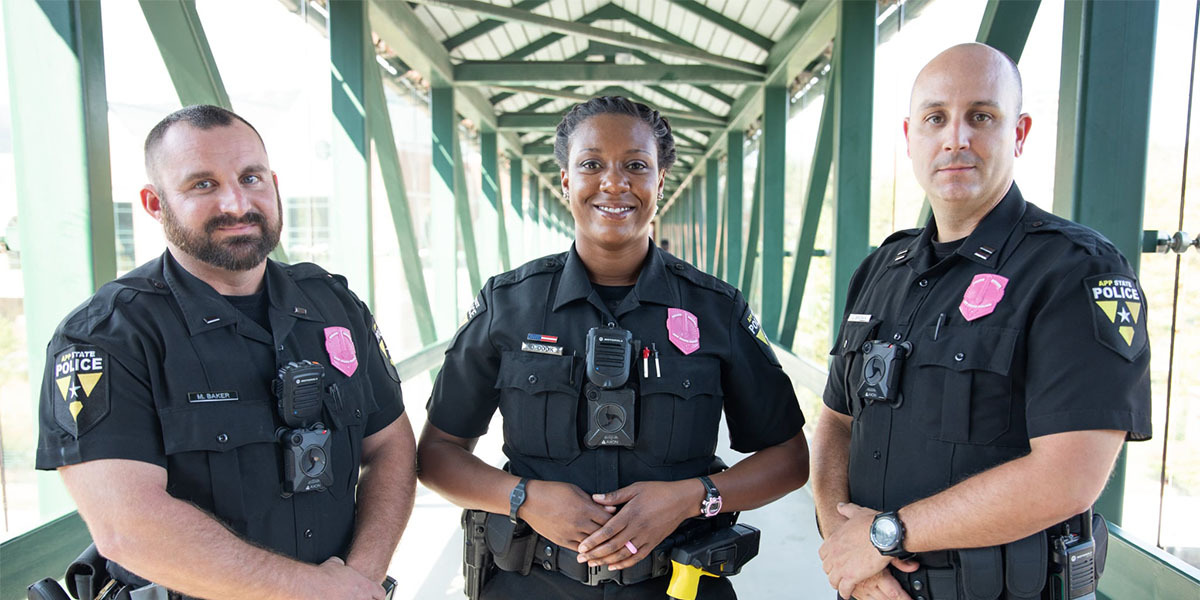
An awareness badge is a specially colored or customized public safety badge that a police, fire, EMS, or sheriff's department authorizes personnel to wear for a limited time to support an approved cause. Departments use color, enamel, or a custom center seal to modify the traditional badge — pink for breast cancer awareness, blue for autism awareness, purple for domestic violence awareness, and green for mental health awareness are the most common combinations. The badge itself doesn't replace the department's standard badge; it's a temporary, approved variant worn during a recognized awareness month, a fundraiser, or a local campaign.
Key takeaways:
- Awareness badges let departments show public support for a cause without altering the identity of the standard uniform badge.
- The most recognized color-cause pairings are pink (breast cancer), blue (autism), purple (domestic violence), and green (mental health) — though departments can create custom colors for local causes.
- Programs are approved at the department level and are often tied to fundraising, community education, or first-responder training.
- Awareness badges are custom-manufactured. Online-customizable models through VisualBadge take 4–6 weeks to manufacture and deliver, so departments should plan ahead of the campaign start date.
What Is an Awareness Badge?
An awareness badge is a specially colored or customized public safety badge worn in support of an approved cause or awareness campaign. Instead of changing what the department's badge represents, the design element — color, enamel, or a custom seal — signals support for a specific cause during a defined period.
Common examples include:
- Pink badges — breast cancer awareness
- Blue badges — autism awareness and acceptance
- Purple badges — domestic violence awareness
- Green badges — mental health awareness
- Custom colors or designs — causes specific to a department or community
Departments typically approve these badges for a recognized awareness month, but they may also authorize them for special events, fundraisers, memorials, or local initiatives.
Why Do Police and Public Safety Departments Wear Awareness Badges?
1. To Show Visible Support for a Cause
The badge is one of the most recognizable parts of a public safety uniform, so changing its color for a limited time gives a department a highly visible way to back a cause while keeping the uniform's professionalism intact. A department supporting breast cancer awareness, for example, might issue pink awareness badges during October.
The cause is often personal for personnel — recognizing a colleague, family member, or community member affected by it.
2. To Create Opportunities for Community Connection
A visibly different badge invites questions from the public. Those conversations give officers, firefighters, and dispatchers a natural opening to explain the campaign, share information about the cause, or point people toward a related event or resource — without the department needing to organize a separate outreach effort.
3. To Bring Personnel Together Around a Shared Cause
Awareness programs give department members a way to rally around something collectively, outside their day-to-day duties. A program might start with a chief, an individual officer, a committee, or a colleague personally affected by the cause. Participation — wearing the badge, attending events, fundraising, supporting a local organization — can flex to match department policy and culture.
4. To Support Fundraising and Charitable Organizations
Many awareness badge programs tie directly to charitable giving. Departments may partner with a local nonprofit, join an established national campaign, or let personnel contribute individually. Smith & Warren, for instance, donates 10% of proceeds from its pink awareness badge sales to the National Breast Cancer Foundation. Other departments direct support to organizations working within their own communities. Naming the specific cause and organization helps both personnel and residents understand the purpose behind the program.
Common Awareness Badge Colors and Causes
Pink Badges: Breast Cancer Awareness
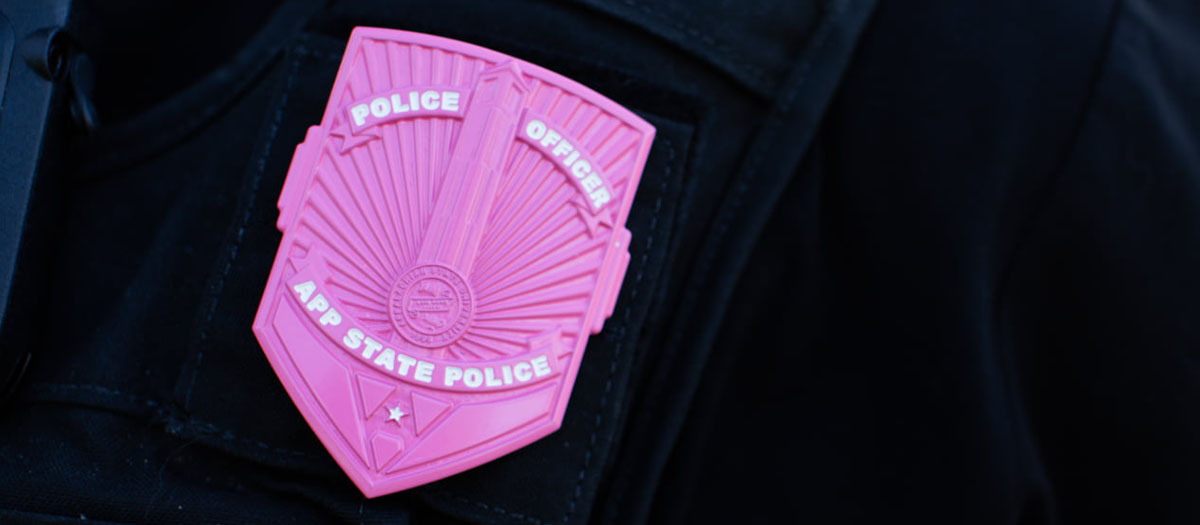
Pink awareness badges are commonly worn during October for Breast Cancer Awareness Month. Departments may use them to recognize survivors, remember those lost to breast cancer, support affected families, and raise funds for breast cancer organizations.
Learn more about pink breast cancer awareness badges.
Blue Badges: Autism Awareness
Blue badges are used by departments participating in autism awareness and acceptance initiatives, particularly during April. These programs can be especially meaningful when the badge is paired with first-responder training, education, and outreach that helps personnel better understand and respond to autistic individuals in their communities.
Explore blue autism awareness badges.
Purple Badges: Domestic Violence Awareness
Purple is widely associated with domestic violence awareness. Public safety departments may wear purple badges during October as part of campaigns supporting survivors, promoting community education, or raising awareness of victim services and local domestic violence organizations.
Green Badges: Mental Health Awareness
Green awareness badges may be worn in support of mental health awareness and wellness initiatives. Public safety departments may use these campaigns to support community education, first-responder wellness, or both.
Who Approves an Awareness Badge?
Authorization happens at the individual department or agency level. An idea can originate with any single officer or with leadership, but department leadership typically signs off on the cause, the badge design, and the period during which it can be worn.
Purchasing arrangements vary by department: some departments buy badges for all participating personnel, while others authorize individual officers to purchase their own. Participation is often optional. Departments considering a program can review how to start an awareness badge and cause program for guidance on structuring approvals, fundraising, and design.
How to Start an Awareness Badge Program
- Choose a cause the department genuinely wants to support.
- Define the purpose — visibility, fundraising, community education, training, or a combination.
- Decide on participation — mandatory, optional, or by request.
- Confirm approvals needed from leadership.
- Select a design that represents the cause while remaining appropriate for the uniform.
- Order early — custom badges take time to manufacture (see lead times below).
Frequently Asked Questions About Awareness Badges
What is an awareness badge? An awareness badge is a specially colored or customized public safety badge worn to support an approved cause, awareness campaign, fundraiser, or community initiative.
Why do police officers wear colored badges? To visibly support a cause that matters to their department or community — most commonly pink for breast cancer, blue for autism, purple for domestic violence, and green for mental health.
Who approves awareness badges? The department or agency itself. Leadership decides whether a badge is authorized and sets the design, cause, and wear period.
How long do departments wear awareness badges? It varies. Many are worn for the full month tied to the cause (e.g., October for breast cancer awareness), while others are authorized only for a shorter campaign, event, or fundraiser.
What do different awareness badge colors mean? Pink is most associated with breast cancer awareness, blue with autism awareness, purple with domestic violence awareness, and green with mental health awareness — though departments can create custom colors for other causes.
Can a department create an awareness badge for a local cause? Yes. Programs can support local nonprofits, community initiatives, department members, families, or any cause meaningful to the agency.
How far in advance should awareness badges be ordered? Awareness badges are custom-made. Models available to customize online through VisualBadge typically take 4–6 weeks to manufacture and deliver. Departments should also budget time for internal approvals and design selection, and starting the process several months ahead of a recurring awareness month gives the most flexibility.
About the Author
Michael Camara
Vice President, Marketing & Brand Strategy, Smith & Warren
Michael Camara is Vice President of Marketing & Brand Strategy at Smith & Warren, the leading U.S. manufacturer of public-safety badges and insignia. His career at the company spans design, creative direction, and marketing, giving him a practical understanding of badge design and the options available to departments and authorized dealers.
In Smith & Warren’s Learning Center, Michael writes about badge design, heraldry, and the meaning behind badges and insignia, helping readers make informed decisions about the symbols that represent their departments and professional identities.